Aftercare support
Please select an option below
Skip — I just want to get in touch
How to sheet
Colour variation guide
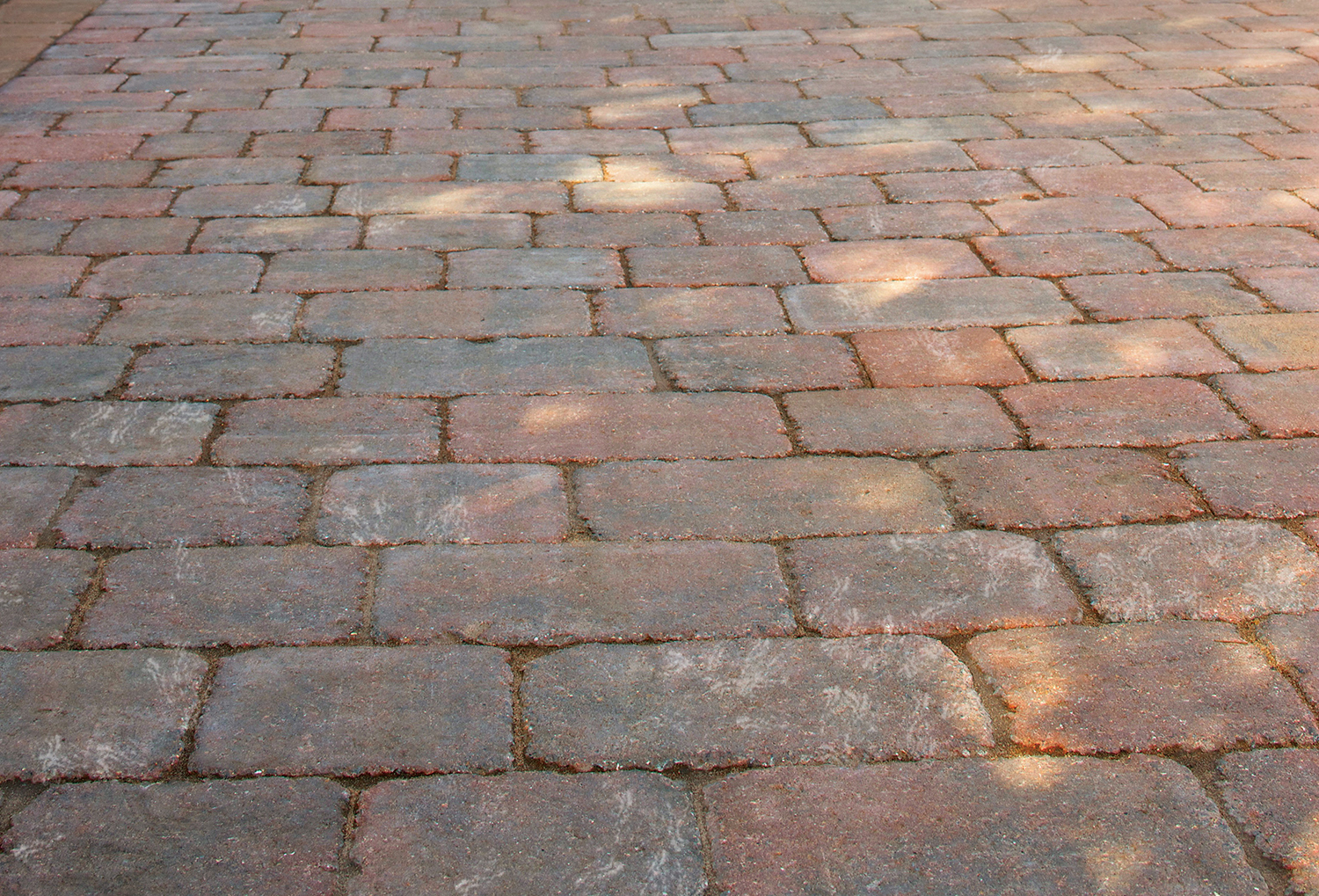
Our concrete products are manufactured using natural aggregates, cement, and binders. As these materials occur naturally, some degree of colour variation is normal and unavoidable. Whilst we use high-quality raw materials, modern manufacturing processes, and strict quality control procedures, slight shade differences can occur between production batches.
These variations are typically subtle; however, they may become more noticeable where products from different batches are installed side by side within the same area.
Achieving the best visual result
To help achieve the most consistent appearance, we recommend the following:
Order Materials in one go
- When purchasing paving for a single project area, place one order wherever possible so we can supply material from the same product batch
Mix During Installation
- Blend the paving by drawing materials from at least three packs simultaneously, where practical. This helps evenly distribute any natural colour variation
What to Avoid
To prevent noticeable shade differences, we do not recommend:
- Mixing older stock with newly supplied materials
- Installing paving pack by pack without blending the materials during laying
If colour variation is noticed after installation
Where variation appears more noticeable than expected following installation, the most effective solution is often to carefully lift the affected area together with the surrounding units, thoroughly mix the materials from the different batches, and relay them evenly throughout the area.
In many cases, this results in a more consistent and natural overall finish.
Please note: It’s important that you don’t install any material that you’re unhappy with and contact our Group Technical Services Team to obtain advice.

Need help taking the right photos?
Did this help?
How to sheet
Efflorescence guide
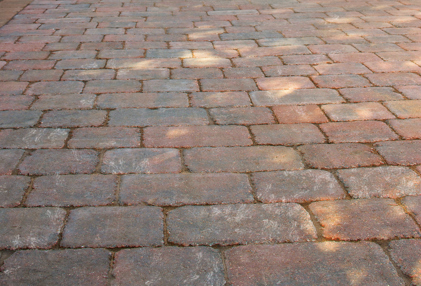
Efflorescence can be concerning if you have not encountered it before. It typically appears as a white, powdery or patchy residue on the surface of concrete, or as an overall lightening of colour that may be mistaken for fading. While its appearance can be unexpected, efflorescence is a natural, temporary process that can occur in all man-made concrete products.
What is efflorescence?
Efflorescence occurs during the curing process, when a chemical reaction produces calcium hydroxide. This can move to the surface of the material, where it reacts with carbon dioxide, creating calcium carbonate, which appears as a white deposit on the surface.
Manufacturers take all reasonable steps during production to minimise the likelihood of efflorescence. However, due to environmental factors, it cannot be completely prevented. For this reason, efflorescence is recognised as an industry-wide occurrence, rather than a defect in the product.
Does efflorescence affect performance?
No. Efflorescence is purely a surface-level, cosmetic condition and has no impact on the strength, durability, or long-term performance of your paving or concrete product.
What can be done?
In most cases, natural weathering is sufficient to gradually remove efflorescence over time. Rainfall and general exposure to the elements will typically erode the residue, and an initial period of weathering should always be allowed.
If efflorescence remains clearly visible after approximately three to four months, a suitable concrete cleaning treatment may be needed. Any cleaning should be carried out carefully, using products specifically designed for concrete surfaces and strictly following the manufacturer’s instructions. Light agitation may assist in removing the residue, but aggressive cleaning methods should be avoided.
Need help taking the right photos?
Did this help?
Please select whether your block paving is installed or not installed
Skip — I just want to get in touch
Post-installation care and damage guidance
Damaged items – after installation
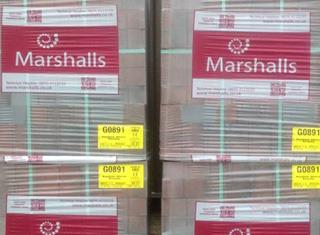
Our concrete products are designed to be strong and durable. However, in some cases, damage can occur after installation.
This is most commonly linked to installation methods. For example:
- Edges left exposed or unsupported
- Materials installed too closely together without sufficient jointing
- Missing or inadequate movement joints in larger areas
These situations can lead to pressure and movement, which may cause chipping (also known as spalling), especially in high-traffic areas.


How to achieve the best result
To help protect your installation, we recommend that you follow our installation guidelines carefully.
- Using a suitable jointing material
- Regularly checking joints as part of general maintenance. Check out our cleaning and maintenance guidelines.
- Replacing any jointing material that has worn away over time
If you still have concerns
In rare cases, damage may also occur due to natural ground movement or subsidence. If you experience issues with installed materials, we suggest contacting your installer first to help identify the cause and rule out the most common factors.
Need help taking the right photos?
Did this help?
Damaged items – before installation

Received a damaged item before installation?
We take great care in preparing and delivering our products. However, due to their size, material, and weight, occasional damage during transit can happen.
To ensure everything is perfect for your project, we kindly ask that you check your items as soon as they are delivered.
If you notice any damage and feel the item cannot be used (for example, incorporated into natural cuts within your project), please follow these simple steps:
1. Take clear photos of the damaged item
2. Take a photo of the packaging
3. Capture the yellow transit label
4. Email our Technical Services Team grouptechnicalservices@marshalls.co.uk as soon as possible. This helps us quickly arrange suitable replacements that match your original items.
Please note: damaged items must be reported within 7 days of delivery in line with our policy.
Need help taking the right photos?
Did this help?
Please select from the below the reason that best describes your reason for contacting us today.
Skip — I just want to get in touch

CBP tolerances
Our concrete block paving products are manufactured to BS EN 1338:2003. This standard allows for small manufacturing tolerances:
- Length ±2 mm
- Width: ±2 mm
- Thickness: ±3 mm
Blocks within these tolerances are considered industry standard and acceptable for use.
Best practice
If you encounter difficulty achieving acceptable results during installation, we recommend measuring the blocks with digital callipers, as ordinary tape measures may not provide accurate readings.
If you discover any blocks that appear outside these tolerances, please:
1. Do not install them
2. Take clear photos of the block with the calliper display visible
3. Contact us immediately, making sure you obtain a photo of the yellow transit label on the packaging
Need help taking the right photos?
Did this help?
Concrete block paving imperfections
What should I expect?
Our concrete block paving is manufactured to BS EN 1338:2003, delivering the consistent, long-term performance you’d expect form Marshalls.
As part of the manufacturing process, minor surface variations can occur. These are natural characteristic of concrete and will not affect the strength, durability, or overall performance of your paving.
What causes this?
We use high-quality materials and modern manufacturing techniques. However, because concrete is a cement-based material, minor marks or variations can occasionally occur as part of the curing and production process.
What happens during installation?
Your installer will usually:
- Check the blocks as they are laid
- Set aside any with visible imperfections
- Use these for cuts or less noticeable areas where possible
This helps ensure the best overall appearance once your paving is complete.
How should I check my paving?
When reviewing your paving:
- Stand back and view the whole area
- Avoid focusing on individual blocks
- Check in natural light where possible
This gives a more accurate impression of the finished result.
What if I’m concerned?
If you feel the imperfections are more noticeable than expected and can’t be resolved on site:
1. Take clear photos of the area
2. Send them to our Technical Team for review
3. Refer to our image guidance to help capture the issue clearly
We’ll be happy to assess and advise you on the next steps.
Need help taking the right photos?
Did this help?
Please select an option below
Skip — I just want to get in touch
Colour variation guide – concrete paving
Our concrete products are made using natural aggregates, cement, and binders. Because these materials occur naturally, some colour variation is normal and unavoidable. While we use high-quality materials, modern manufacturing processes, and strict quality control, slight colour differences can occur between production batches.
These variations are usually subtle, but they may become noticeable if products from different batches are installed side by side within the same area.
How to achieve the best visual result
To help ensure the most consistent appearance, we recommend:
Ordering in one go
- When purchasing paving for a single area, place one order wherever possible so we can supply materials from the same production batch.
Mixing during installation
- Blend the paving on site by drawing from at least three packs at the same time, where possible. This helps evenly distribute any natural colour variation.
What to avoid
To prevent noticeable colour differences, we do not recommend:
- Mixing old stock with new stock
- Installing paving pack by pack without blending materials
If colour variation is noticeable after installation
If an area shows more variation than expected, the best solution is often to thoroughly mix the materials and possible dry lay to ensure you have a sufficient blend. It is important that you do not install any material that you are unhappy with and contact our Group Technical Services Team to obtain advice.
Need help taking the right photos?
Did this help?
Efflorescence guide
Efflorescence can be concerning if you have not encountered it before. It typically appears as a white, powdery or patchy residue on the surface of concrete, or as an overall lightening of colour that may be mistaken for fading. While its appearance can be unexpected, efflorescence is a natural, temporary process that can occur in all man-made concrete products.
What is efflorescence?
Efflorescence occurs during the curing process, when a chemical reaction produces calcium hydroxide. This can move to the surface of the material, where it reacts with carbon dioxide, creating calcium carbonate, which appears as a white deposit on the surface.
Manufacturers take all reasonable steps during production to minimise the likelihood of efflorescence. However, due to environmental factors, it cannot be completely prevented. For this reason, efflorescence is recognised as an industry-wide occurrence, rather than a defect in the product.
Does efflorescence affect performance?
No. Efflorescence is purely a surface-level, cosmetic condition and has no impact on the strength, durability, or long-term performance of your paving or concrete product.
What can be done?
In most cases, natural weathering is sufficient to gradually remove efflorescence over time. Rainfall and general exposure to the elements will typically erode the residue, and an initial period of weathering should always be allowed.
If efflorescence remains clearly visible after approximately three to four months, a suitable concrete cleaning treatment may be needed. Any cleaning should be carried out carefully, using products specifically designed for concrete surfaces and strictly following the manufacturer’s instructions. Light agitation may assist in removing the residue, but aggressive cleaning methods should be avoided.
Need help taking the right photos?
Did this help?
Please select whether your paving is installed or not installed
Skip — I just want to get in touch
Damaged items – after installation
Our concrete products are designed to be strong and durable. However, in some cases, damage can occur after installation.
This is most commonly linked to installation methods. For example:
- Edges left exposed or unsupported
- Materials installed too closely together without sufficient jointing
- Missing or inadequate movement joints in larger areas
These situations can lead to pressure and movement, which may cause chipping (also known as spalling), especially in high-traffic areas.
How to achieve the best result
To help protect your installation, we recommend that you follow our installation guidelines carefully.
- Using a suitable jointing material
- Regularly checking joints as part of general maintenance.
- Replacing any jointing material that has worn away over time
If you still have concerns
In rare cases, damage may also occur due to natural ground movement or subsidence. If you experience issues with installed materials, we suggest contacting your installer first to help identify the cause and rule out the most common factors.
Need help taking the right photos?
Did this help?
Damaged items – before installation
We take great care in preparing and delivering our products. However, due to their size, material, and weight, occasional damage during transit can happen.
To ensure everything is perfect for your project, we kindly ask that you check your items as soon as they are delivered.
If you notice any damage and feel the item cannot be used (for example, incorporated into natural cuts within your project), please follow these simple steps:
- Take clear photos of the damaged item
- Take a photo of the packaging
- Capture the yellow transit label
- Email our Technical Services Team grouptechnicalservices@marshalls.co.uk as soon as possible. This helps us quickly arrange suitable replacements that match your original items.
Please note: damaged items must be reported within 7 days of delivery in line with our policy.
Need help taking the right photos?
Did this help?
Please select from below the reason that best describes your reason for contact us today.
Skip — I just want to get in touchPaving tolerance
Our concrete paving products are manufactured to BS EN 1339:2003. As part of the manufacturing process, slight variations in size can occur, which is completely normal for concrete products.
This standard allows for small manufacturing tolerances:
- Length: ±2 mm
- Width: ±2 mm
- Thickness: ±3 mm
Paving units within these tolerances are considered industry standard and fully acceptable for use.
Best practice
If you encounter difficulty achieving acceptable results during installation, we recommend measuring the paving with digital callipers to measure thickness, a straight edge to measure any deviations ppr a steel rule for length. Please note, ordinary tape measures may not provide accurate readings.
If you discover any paving that appears outside these tolerances:
- Do not install
- Measure multiple points and areas to ensure consistency
- Take images of the measurements as evidence.
- Contact grouptechnicalservices@marshalls.co.uk immediately, making sure you obtain the yellow transit label located on the packaging.
Once submitted, we can confirm whether the material meets the standard and advise you on the next steps to ensure your project stays on track.
Need help taking the right photos?
Did this help?
Paving Imperfections
What should I expect?
Our concrete paving is manufactured in line with British Standard BS EN 1339:2003. delivering the consistent, long-term performance you’d expect from Marshalls.
As part of the manufacturing process, minor surface variations can occur.
These are natural characteristics of concrete and will not affect the strength, durability, or overall performance of your walling.
What causes this?
We use high-quality materials and modern manufacturing techniques. However, because concrete is a cement-based material, minor surface marks or variations can occasionally occur as part of the curing and production process.
What happens during installation?
Your installer will usually:
- Check the material as they are laid
- Set aside any with visible imperfections
- Use these for cuts or less noticeable areas where possible
This helps ensure the best overall appearance once your walling is complete.
How should I check my walling?
When reviewing:
- Stand back and view the whole area
- Avoid focusing on individual units
- Check in natural light where possible
This gives a more accurate impression of the finished result.
What if I’m concerned?
If you feel the imperfections are more noticeable than expected and can’t be resolved on site:
- Take clear photos of the area
- Send them to our Technical Team for review
- Refer to our image guidance to help capture the issue clearly
We’ll be happy to assess and advise you on the next steps.
Need help taking the right photos?
Did this help?
Please select whether your paving is installed or not installed
Skip — I just want to get in touchPorcelain Damaged Items – after installation
Our Porcelain products are designed to be strong and durable. However, in some cases, damage can occur after installation.
This is most commonly linked to installation methods. For example:
- Edges left exposed or unsupported
- Materials installed too closely together without sufficient jointing
- Missing or inadequate movement joints in larger areas
These situations can lead to pressure and movement, which may cause chipping (also known as spalling), especially in high-traffic areas.
How to achieve the best result
To help protect your installation, we recommend that you follow our installation guidelines carefully.
- Using a suitable jointing material
- Regularly checking joints as part of general maintenance.
- Replacing any jointing material that has worn away over time
If you still have concerns
In rare cases, damage may also occur due to natural ground movement or subsidence. If you experience issues with installed materials, we suggest contacting your installer first to help identify the cause and rule out the most common factors.
Need help taking the right photos?
Did this help?
Damaged items – before installation
We take great care in preparing and delivering our products. However, due to their size, material, and weight, occasional damage during transit can happen.
To ensure everything is perfect for your project, we kindly ask that you check your items as soon as they are delivered.
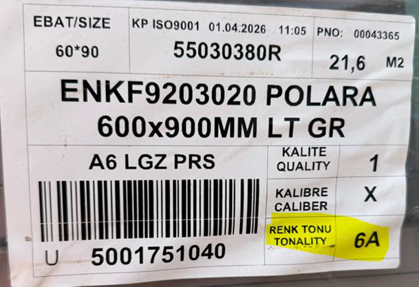
If you notice any damage and feel the item cannot be used (for example, incorporated into natural cuts within your project), please follow these simple steps:
- Take clear photos of the damaged item
- Take a photo of the packaging
- Capture the transit label that lists the shade (see below image)
- Contact our Technical Services Team as soon as possible. This helps us quickly arrange suitable replacements that match your original items.
Please note: damaged items must be reported within 7 days of delivery in line with our policy.
Need help taking the right photos?
Did this help?
Please select from below the reason that best describes your reason for contact us today.
Skip — I just want to get in touchPorcelain colour variation
Porcelain is a manufactured product, made using natural ingredients and white clay. Once pressed, it is digitally printed before being put into a firing kiln to set. Digital printing (like printers) use ink, meaning subtle differences in tone can vary throughout the production process. We only select the highest quality paving, where the ink is at its most durable, creating the optimum depth of print.
It is extremely rare that we experience genuine colour variation issues from the material we supply. Most issues are related to installation or mixing colour batches or old product with new.
Below are some of the most common reasons for colour variation in porcelain.
1) Different production batches (calibre/batch mismatch)
If your slabs came from different production runs, there can be slight differences in colour. Even with strict quality control, firing temperatures and raw materials can vary slightly between batches.
2) Lighting and moisture effects
Porcelain can look different depending on whether it is wet or dry. Wet tiles can appear darker in colour. Also, lighting conditions (direct sunlight vs shaded areas) can affect perception.
3) Installation factors
- If tiles weren’t mixed from multiple boxes before laying, you can get patches of similar shades grouped together
- Jointing compound or residue left on the surface can slightly dull or alter colour
- Uneven bedding or drainage can make some areas stay damp longer, making them appear darker
4) Surface contamination or residue
Cement haze, grout residue, or dirt can affect how the colour appears—especially on lighter porcelain. This is usually temporary and can often be removed with a specialist cleaning product.
5) Intentional “batch variation”
Many porcelain tiles are designed to mimic natural stone, so manufacturers deliberately print slightly different tones and patterns. Boxes are often labelled with a variation rating. Therefore, some shade difference is expected and intentional.
What you can do:
- Check if the darker ones are just damp - wait for everything to fully dry and compare
- Clean the paving using a porcelain-safe cleaner to remove any haze or residue.
- Look at the box labels if you still have them—see if batch numbers differ
- If the variation looks patchy rather than blended, it might be an installation issue (such as not mixing tiles from multiple boxes)
Never
- Mix shade letters, numbers, or production dates
- Install product you are not happy with
Need help taking the right photos?
Did this help?
Porcelain size – tolerance
Porcelain Size – tolerance
Our Porcelain products are manufactured to BS EN 14411:2016. This standard allows for small manufacturing tolerances:
- Length and width: ±2 mm
- Thickness ±0.5mm
- Straightness & Flatness ±2 mm
Porcelain units within these tolerances are considered industry standard and fully compliant.
Best practice
If you encounter difficulty achieving acceptable results during installation, we recommend measuring the paving.
- Use a straight edge for surface or edge deviations
- A steel rule can be used for length/width. Please note that tape measures do not always give an accurate reading.
- Digital callipers can also be used to measure thickness
- Measure multiple points and areas to ensure consistency
- Take images of the measurements as evidence.
- Any product you suspect to be out of tolerance, should set to one side and do not install.
- Report the issue to Group Technical Services immediately, making sure you obtain the transit label located on the packaging.
Once submitted, we can confirm whether the material meets the standard and advise you on the next steps to ensure your project stays on track.
Need help taking the right photos?
Did this help?
Porcelain imperfections
What should I expect?
Porcelain tiles are made using natural raw materials and fired at very high temperatures to create a durable, long-lasting product. Because of this process, small surface variations or minor imperfections can occasionally occur and are considered a normal characteristic of porcelain.
These may include slight shade variation, small marks, tiny pinholes, or minor surface texture differences. In most cases, these do not affect the strength, durability, or overall performance of the tile.
Why do these happen?
We use high-quality materials and modern manufacturing methods to produce our porcelain products. However, as porcelain is made from natural materials and manufactured under extreme heat, small variations can naturally occur during production.
These characteristics are part of the normal appearance of porcelain and are often only visible under certain lighting conditions or at close range.
What happens during installation?
Your installer will usually:
- Check the material as they are laid
- Set aside any with visible imperfections
- Use these for cuts or less noticeable areas where possible
This helps ensure the best overall appearance once your paving is complete.
We recommend that all tiles are inspected before installation. Once tiles are installed, they are deemed accepted.
How should I check my porcelain?
When reviewing:
- Stand back and view the area as a whole
- Avoid close inspection of individual tiles
- Check the area in natural daylight where possible
This gives a more accurate impression of the finished result.
What if I’m concerned?
If you feel the imperfections are more noticeable than expected and can’t be resolved on site:
- Take clear photos of the area
- Send them to our Technical Team for review
- Refer to our image guidance to help capture the issue clearly
We’ll be happy to assess and advise you on the next steps.
Need help taking the right photos?
Did this help?
Please select an option below
Skip — I just want to get in touch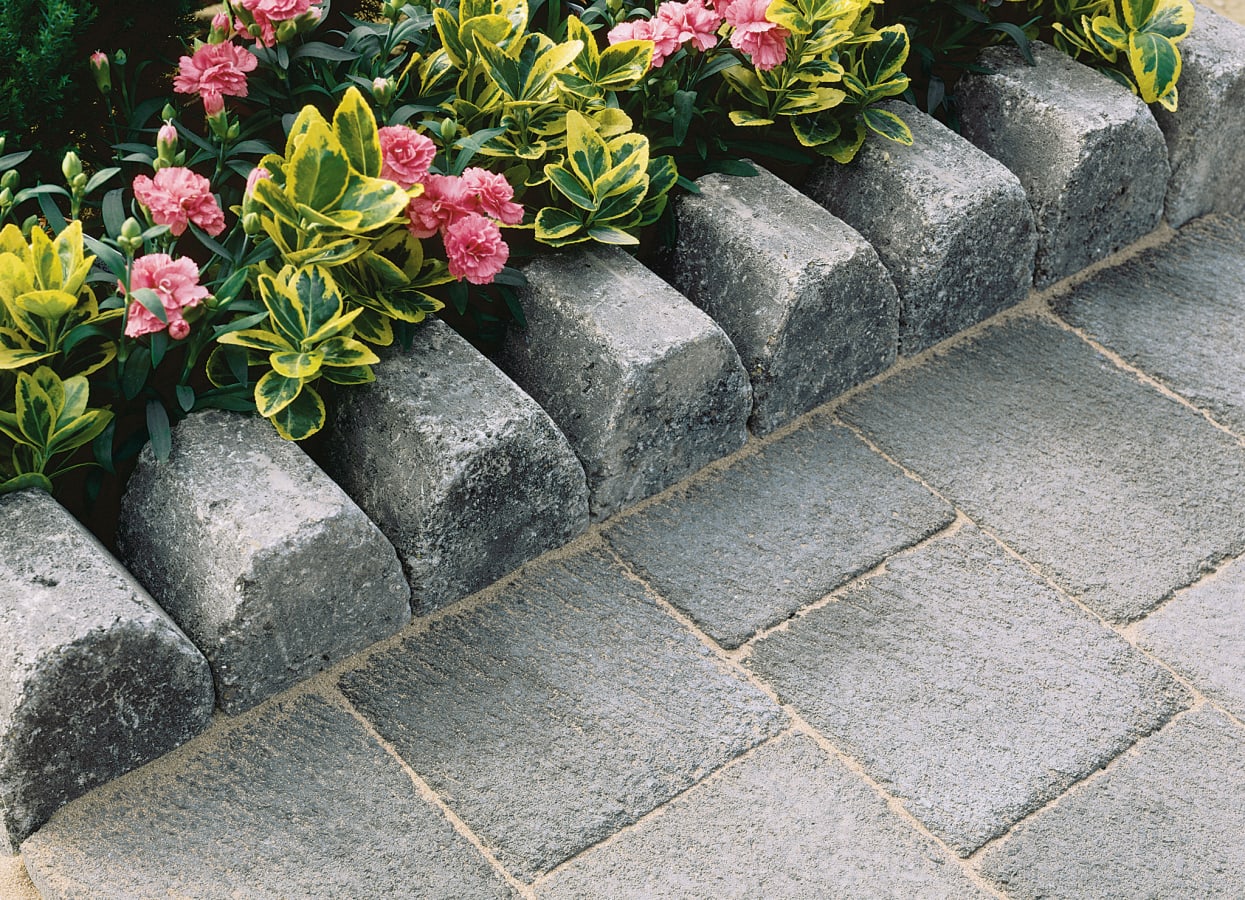
Colour variation guide
Kerbs are typically designed to
- Provide safety by separating differing levels of trafficked areas, such as a road and pathways
- Offer structural support as an edging unit, preventing lateral movement
- Support drainage management
The type of kerb selected from our range will depend on its intended use.
Understanding Colour Variation
All our concrete products are made using natural materials, including aggregates, cement, and binders. Because these are naturally sourced, some variation in colour is completely normal and to be expected.
While we use high-quality materials, modern manufacturing techniques, and strict quality controls, slight differences in shade can occur between production batches.
These variations are usually subtle, but they may be more noticeable if products from different batches are installed next to each other.
Please note:
Standard Concrete Kerb units are produced without added colour pigments. This means there is naturally less control over the final colour appearance.
How to achieve the best visual result
To help ensure the most consistent appearance, we recommend:
Ordering in one go
- When purchasing kerbs for a single area, place one order wherever possible so we can supply materials from the same production batch.
Mixing during installation
- Blend the kerb on site by drawing from at least three packs at the same time, where possible. This helps evenly distribute any natural colour variation.
What to avoid
To prevent noticeable colour differences, we do not recommend:
- Mixing old stock with new stock
Installing paving pack by pack without blending materials
If colour variation is noticeable after installation
If an area shows more variation than expected, the best solution is often to thoroughly mix the materials and possible dry lay to ensure you have a sufficient blend. It is important that you do not install any material that you are unhappy with and contact our Group Technical Services Team to obtain advice.
Need help taking the right photos?
Did this help?
Efflorescence guide
Efflorescence can be concerning if you have not encountered it before. It typically appears as a white, powdery or patchy residue on the surface of concrete, or as an overall lightening of colour that may be mistaken for fading. While its appearance can be unexpected, efflorescence is a natural, temporary process that can occur in all man-made concrete products.
What is efflorescence?
Efflorescence occurs during the curing process, when a chemical reaction produces calcium hydroxide. This can move to the surface of the material, where it reacts with carbon dioxide, creating calcium carbonate, which appears as a white deposit on the surface.
Manufacturers take all reasonable steps during production to minimise the likelihood of efflorescence. However, due to environmental factors, it cannot be completely prevented. For this reason, efflorescence is recognised as an industry-wide occurrence, rather than a defect in the product.
Does efflorescence affect performance?
No. Efflorescence is purely a surface-level, cosmetic condition and has no impact on the strength, durability, or long-term performance of your paving or concrete product.
What can be done?
In most cases, natural weathering is sufficient to gradually remove efflorescence over time. Rainfall and general exposure to the elements will typically erode the residue, and an initial period of weathering should always be allowed.
If efflorescence remains clearly visible after approximately three to four months, a suitable concrete cleaning treatment may be needed. Any cleaning should be carried out carefully, using products specifically designed for concrete surfaces and strictly following the manufacturer’s instructions. Light agitation may assist in removing the residue, but aggressive cleaning methods should be avoided.
Need help taking the right photos?
Did this help?
Please select whether your kerb is installed or not installed
Skip — I just want to get in touchDamaged items – after installation
Our concrete products are designed to be strong and durable. However, in some cases, damage can occur after installation.
This is most commonly linked to installation methods. For example:
- Edges left exposed or unsupported
- Materials installed too closely together without sufficient jointing
- Missing or inadequate movement joints in larger areas
These situations can lead to pressure and movement, which may cause chipping (also known as spalling), especially in high-traffic areas.
How to achieve the best result.
To help protect your installation, we recommend that you follow our installation guidelines carefully.
- Using a suitable jointing material
- Regularly checking joints as part of general maintenance
- Replacing any jointing material that has worn away over time
If you still have concerns
In rare cases, damage may also occur due to natural ground movement or subsidence. If you experience issues with installed materials, we suggest contacting your installer first to help identify the cause and rule out the most common factors.
Need help taking the right photos?
Did this help?
Damaged items – before installation
We take great care in preparing and delivering our products. However, due to their size, material, and weight, occasional damage during transit can happen.
To ensure everything is perfect for your project, we kindly ask that you check your items as soon as they are delivered.
If you notice any damage and feel the item cannot be used (for example, incorporated into natural cuts within your project), please follow these simple steps:
- Take clear photos of the damaged item
- Take a photo of the packaging
- Capture the yellow transit label
- Email our Technical Services Team grouptechnicalservices@marshalls.co.uk as soon as possible. This helps us quickly arrange suitable replacements that match your original items.
Please note: damaged items must be reported within 7 days of delivery in line with our policy.
Need help taking the right photos?
Did this help?
Please select from below the reason that best describes your reason for contact us today.
Skip — I just want to get in touch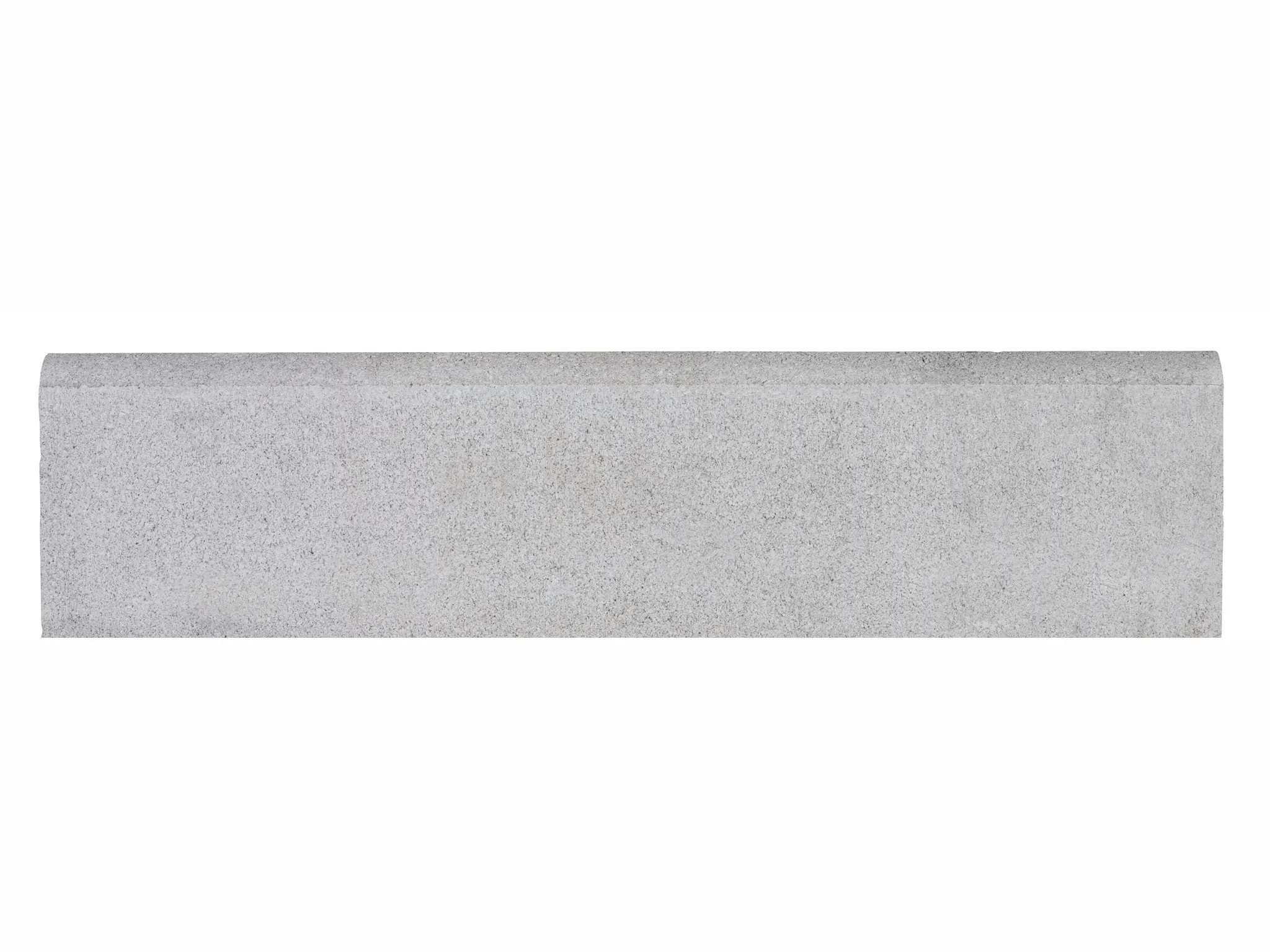
Kerb size tolerance
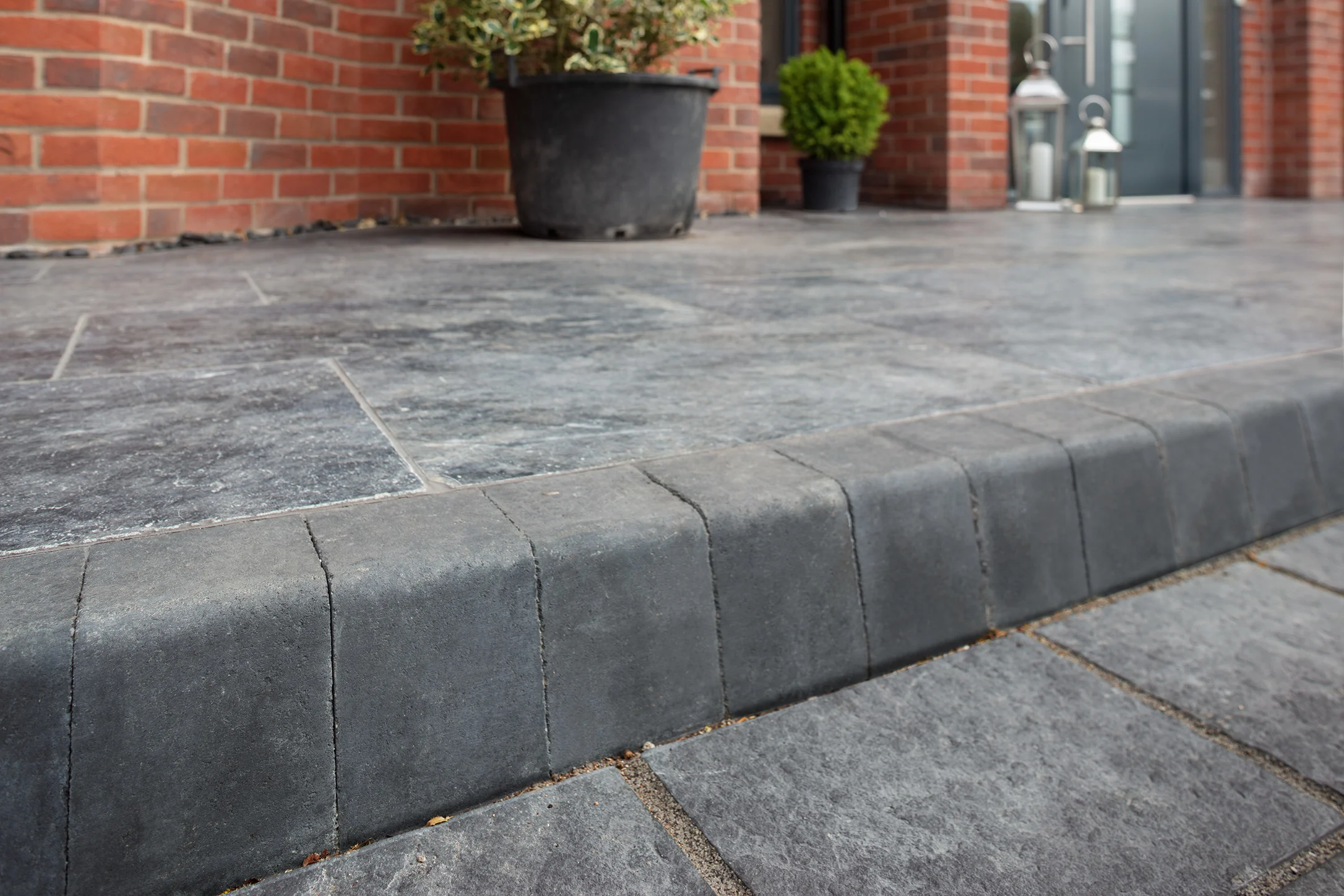
Our concrete Kerb products are manufactured to BS EN 1340:2003. As part of the manufacturing process, slight variations in size can occur, which is completely normal for concrete products.
The standard allows for the following tolerances:
- Length ±3 mm
- Thickness ±3 mm
- Width ±3 mm
Kerb units within these tolerances are considered industry standard and fully acceptable for use.
Best practice
If you encounter difficulty achieving acceptable results during installation, we recommend measuring the units. A straight edge can be used for surface or edge deviations, whereas a steel rule can be used to measure the length and width. Please note that tape measures do not always give an accurate reading.
Please ensure you:
- Measure multiple points and areas to ensure consistency
- Take images of the measurements as evidence.
- Any product you suspect to be out of tolerance, set to one side, do not install.
- Report the issue to Group Technical Services immediately, making sure you obtain the yellow transit label located on the packaging.
Need help taking the right photos?
Did this help?
Kerb Imperfections
What should I expect?
Our concrete Kerb is strictly manufactured to BS EN 1340:2003, delivering the consistent, long-term performance you’d expect from Marshalls.
As part of the manufacturing process, minor surface variation can occur.
These are natural characteristics of concrete and will not affect the strength, durability, or overall performance of your kerb.
What causes this?
We use high-quality materials and modern manufacturing techniques. However, because concrete is a cement based material, minor surface marks or variations can occur as part of the curing and production process.
What happens during installation?
Your installer will usually:
- Check the kerb as they are laid
- Set aside any with visible imperfections
- Use these for cuts or less noticeable areas where possible
This helps ensure the best overall appearance once your kerb is complete.
How should I check my Kerb units?
When reviewing:
- Stand back and view the whole area
- Avoid focusing on individual units
- Check in natural light where possible
This gives a more accurate impression of the finished result.
What if I’m concerned?
If you feel the imperfections are more noticeable than expected and can’t be resolved on site:
- Take clear photos of the area
- Send them to our Technical Team for review
- Refer to our image guidance to help capture the issue clearly
We’ll be happy to assess and advise you on the next steps.
Need help taking the right photos?
Did this help?
Please select an option below
Skip — I just want to get in touch
Colour variation guide - wallling
Our concrete products are made using natural aggregates, cement, and binders. Because these materials occur naturally, some colour variation is normal and unavoidable. While we use high-quality materials, modern manufacturing processes, and strict quality control, slight colour differences can occur between production batches.
These variations are usually subtle, but they may become noticeable if products from different batches are installed side by side within the same area.
How to achieve the best visual result
To help ensure the most consistent appearance, we recommend:
Ordering in one go
- When purchasing walling for a single area, place one order wherever possible so we can supply materials from the same production batch.
Mixing during installation
- Blend the walling on site by drawing from at least three packs at the same time, where possible. This helps evenly distribute any natural colour variation.
What to avoid
To prevent noticeable colour differences, we do not recommend:
- Mixing old stock with new stock
- Installing walling pack by pack without blending materials
If colour variation is noticeable after installation
If an area shows more variation than expected, the best solution is often to thoroughly mix the materials and possible dry lay to ensure you have a sufficient blend. It is important that you do not install any material that you are unhappy with and contact our Group Technical Services Team to obtain advice.
Need help taking the right photos?
Did this help?
Efflorescence guide
Efflorescence guide
Efflorescence can be concerning if you have not encountered it before. It typically appears as a white, powdery or patchy residue on the surface of concrete, or as an overall lightening of colour that may be mistaken for fading. While its appearance can be unexpected, efflorescence is a natural, temporary process that can occur in all man-made concrete products.
What is efflorescence?
Efflorescence occurs during the curing process, when a chemical reaction produces calcium hydroxide. This can move to the surface of the material, where it reacts with carbon dioxide, creating calcium carbonate, which appears as a white deposit on the surface.
Manufacturers take all reasonable steps during production to minimise the likelihood of efflorescence. However, due to environmental factors, it cannot be completely prevented. For this reason, efflorescence is recognised as an industry-wide occurrence, rather than a defect in the product.
Does efflorescence affect performance?
No. Efflorescence is purely a surface-level, cosmetic condition and has no impact on the strength, durability, or long-term performance of your paving or concrete product.
What can be done?
In most cases, natural weathering is sufficient to gradually remove efflorescence over time. Rainfall and general exposure to the elements will typically erode the residue, and an initial period of weathering should always be allowed.
If efflorescence remains clearly visible after approximately three to four months, a suitable concrete cleaning treatment may be needed. Any cleaning should be carried out carefully, using products specifically designed for concrete surfaces and strictly following the manufacturer’s instructions. Light agitation may assist in removing the residue, but aggressive cleaning methods should be avoided.
Need help taking the right photos?
Did this help?
Please select whether your walling is installed or not installed
Skip — I just want to get in touchDamaged items – after installation
Our concrete products are designed to be strong and durable. However, in some cases, damage can occur after installation.
This is most commonly linked to installation methods. For example:
- Edges left exposed or unsupported
- Materials installed too closely together without sufficient jointing
- Missing or inadequate movement joints in larger areas
These situations can lead to pressure and movement, which may cause chipping (also known as spalling), especially in high-traffic areas.
How to achieve the best result
To help protect your installation, we recommend that you follow our installation guidelines carefully.
- Using a suitable jointing material
- Regularly checking joints as part of general maintenance
- Replacing any jointing material that has worn away over time
If you still have concerns
In rare cases, damage may also occur due to natural ground movement or subsidence. If you experience issues with installed materials, we suggest contacting your installer first to help identify the cause and rule out the most common factors.
Need help taking the right photos?
Did this help?
Damaged items – before installation
We take great care in preparing and delivering our products. However, due to their size, material, and weight, occasional damage during transit can happen.
To ensure everything is perfect for your project, we kindly ask that you check your items as soon as they are delivered.
If you notice any damage and feel the item cannot be used (for example, incorporated into natural cuts within your project), please follow these simple steps:
- Take clear photos of the damaged item
- Take a photo of the packaging
- Capture the yellow transit label
- Email our Technical Services Team grouptechnicalservices@marshalls.co.uk as soon as possible. This helps us quickly arrange suitable replacements that match your original items.
Please note: damaged items must be reported within 7 days of delivery in line with our policy.
Need help taking the right photos?
Did this help?
Please select from below the reason that best describes your reason for contact us today.
Skip — I just want to get in touch
Walling tolerances
Our concrete walling products are manufactured to BS EN 771-5:2011 + A1:2005. As part of the manufacturing process, slight variations in size can occur, which is completely normal for concrete products.
The standard allows for small manufacturing tolerances:
- Length +3 -5mm
- Width +3 -5mm
- Height +3 -5mm
Walling units within these tolerances are considered industry standard and acceptable for use.
Best practice
If you encounter difficulty achieving acceptable results during installation, we recommend measuring the blocks with digital callipers, as ordinary tape measures may not provide accurate readings.
If you discover any blocks that appear outside these tolerances:
- Do not install them
- Take clear photos of the block with the calliper display visible
- Contact grouptechnicalservices@marshalls.co.uk immediately, making sure you obtain the yellow transit label located on the packaging.
Once submitted, we can confirm whether the material meets the standard and advise you on the next steps to ensure your project stays on track.
Need help taking the right photos?
Did this help?
Please select an option below
Skip — I just want to get in touch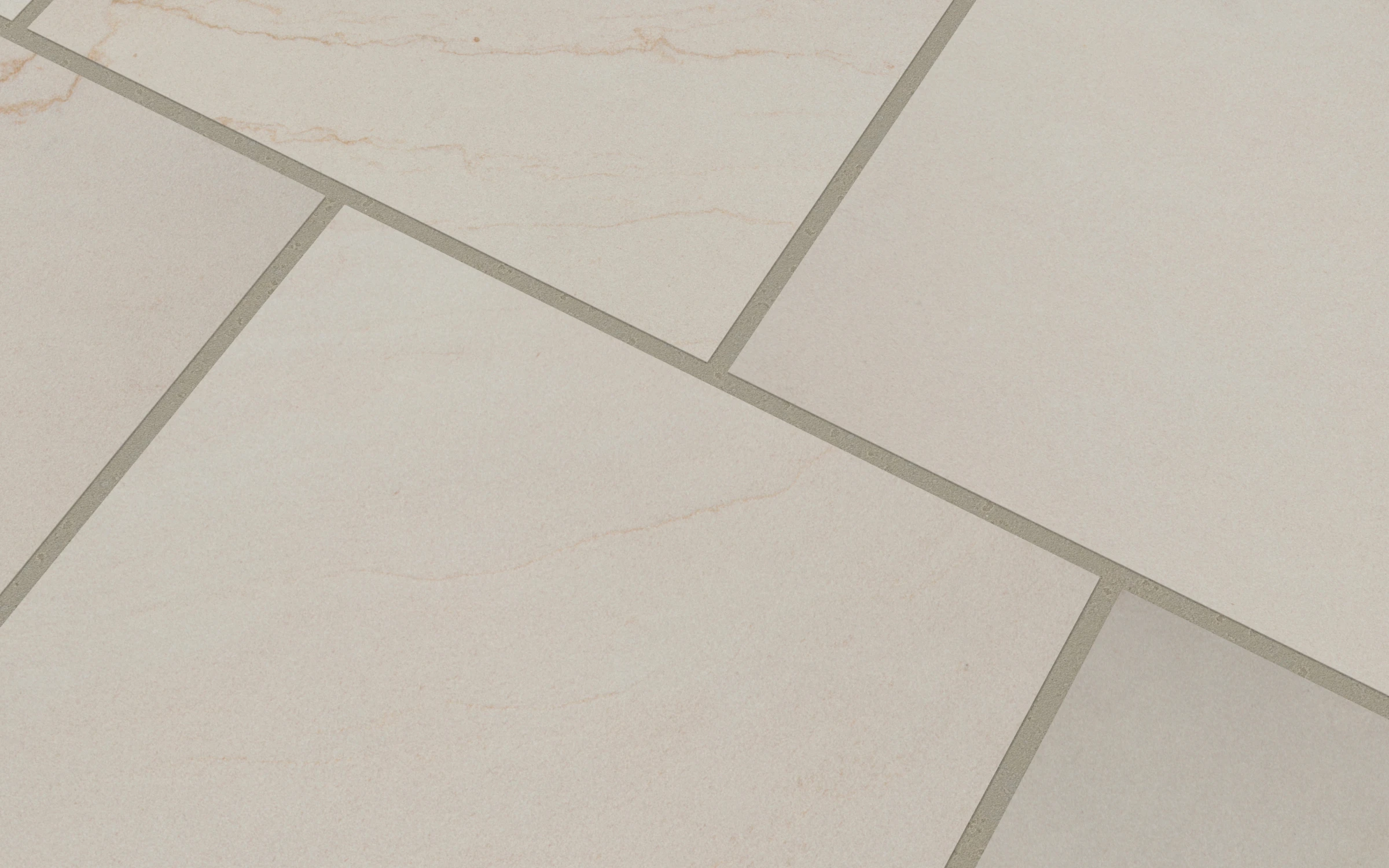
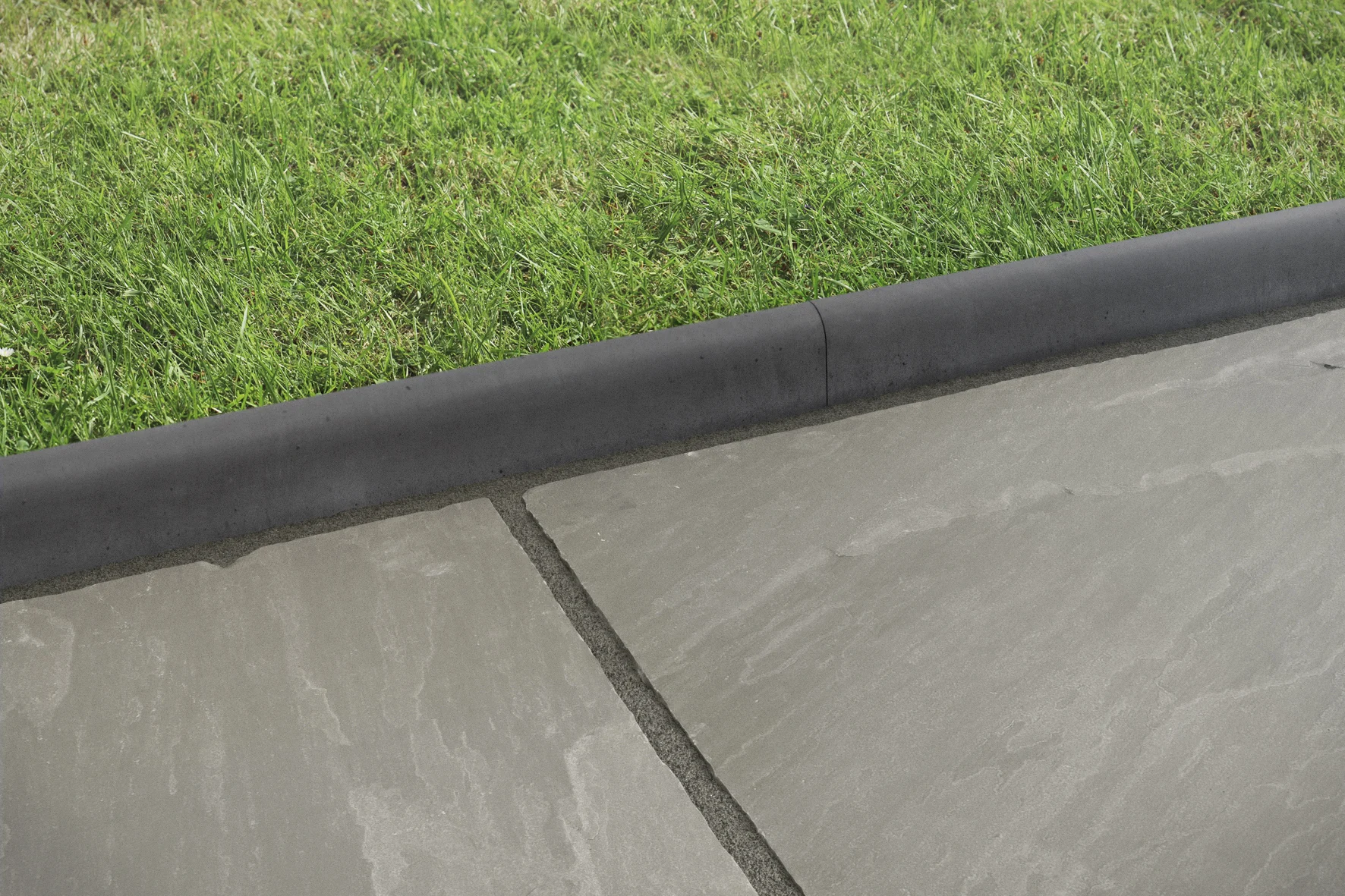
Damaged Items – after installation
Jointing can be the most vulnerable element of any paving installation. The performance and longevity of joints can be influenced by a number of external factors, including:
- Local climatic conditions
- Inappropriate use of power washers and cleaners.
- North facing or shaded areas remaining damp due to lack of sunlight.
- Detritus from trees and wildlife etc.
- Environmental impact, use or poor drainage conditions.
- Weather conditions such as frost, rain or high summer temperatures etc.
Usually, damage to jointing post installation is due to one of the above factors.
What can I do?
- Whichever jointing material you have chosen for your project complete maintenance checks at least twice a year. Ideally in spring and autumn
- Replace any loose or missing jointing material to prevent further loss.
- When cleaning/maintaining your patio/driveway, use non harsh treatments, checking the manufacturer's instructions if chemicals are to be used.
- Take care when using strong acidic or corrosive chemicals such as alloy wheel cleaners around resin jointing, as these can breakdown the integrity of the resin bonding.
- If using a pressure washer, ensure the lowest pressure is used, ideally with a rotary fan attachment. Or keep the lance at a 30-degree angle, at least knee height from the surface to prevent blasting away the jointing.
Need help taking the right photos?
Did this help?
Damaged items – before installation
We take great care in preparing and delivering our products. However, due to their size, material, and weight, occasional damage during transit can happen.
To ensure everything is perfect for your project, we kindly ask that you check your items as soon as they are delivered.
If you notice any damage and feel the item cannot be used, please follow these simple steps:
- Take clear photos of the damaged item
- Take a photo of the packaging
- Capture the yellow transit label
- Contact our Technical Services Team as soon as possible. This helps us quickly arrange suitable replacements that match your original items.
Please note: damaged items must be reported within 7 days of delivery in line with our policy.
Need help taking the right photos?
Did this help?
Please select from below the reason that best describes your reason for contact us today.
Skip — I just want to get in touch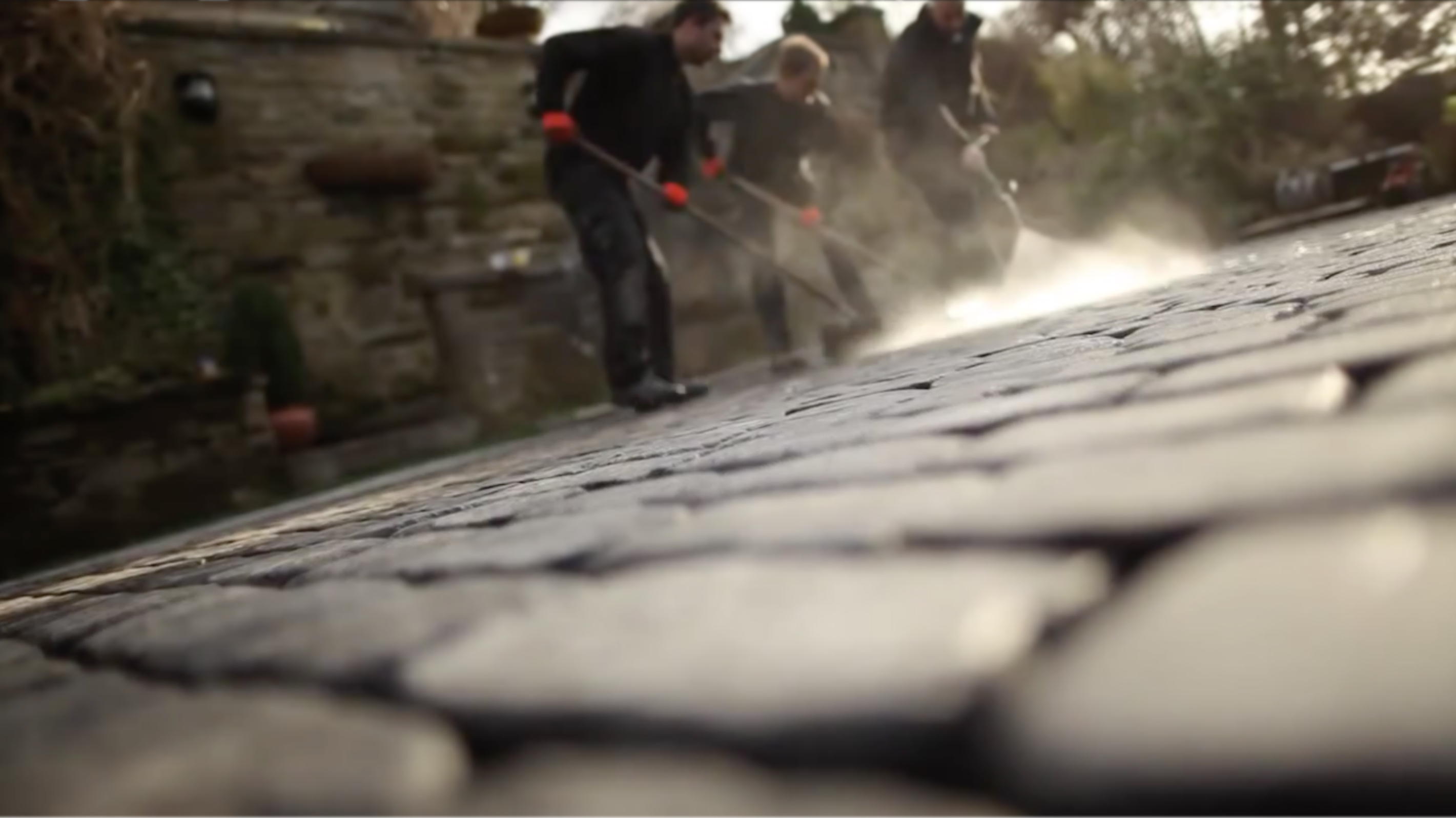
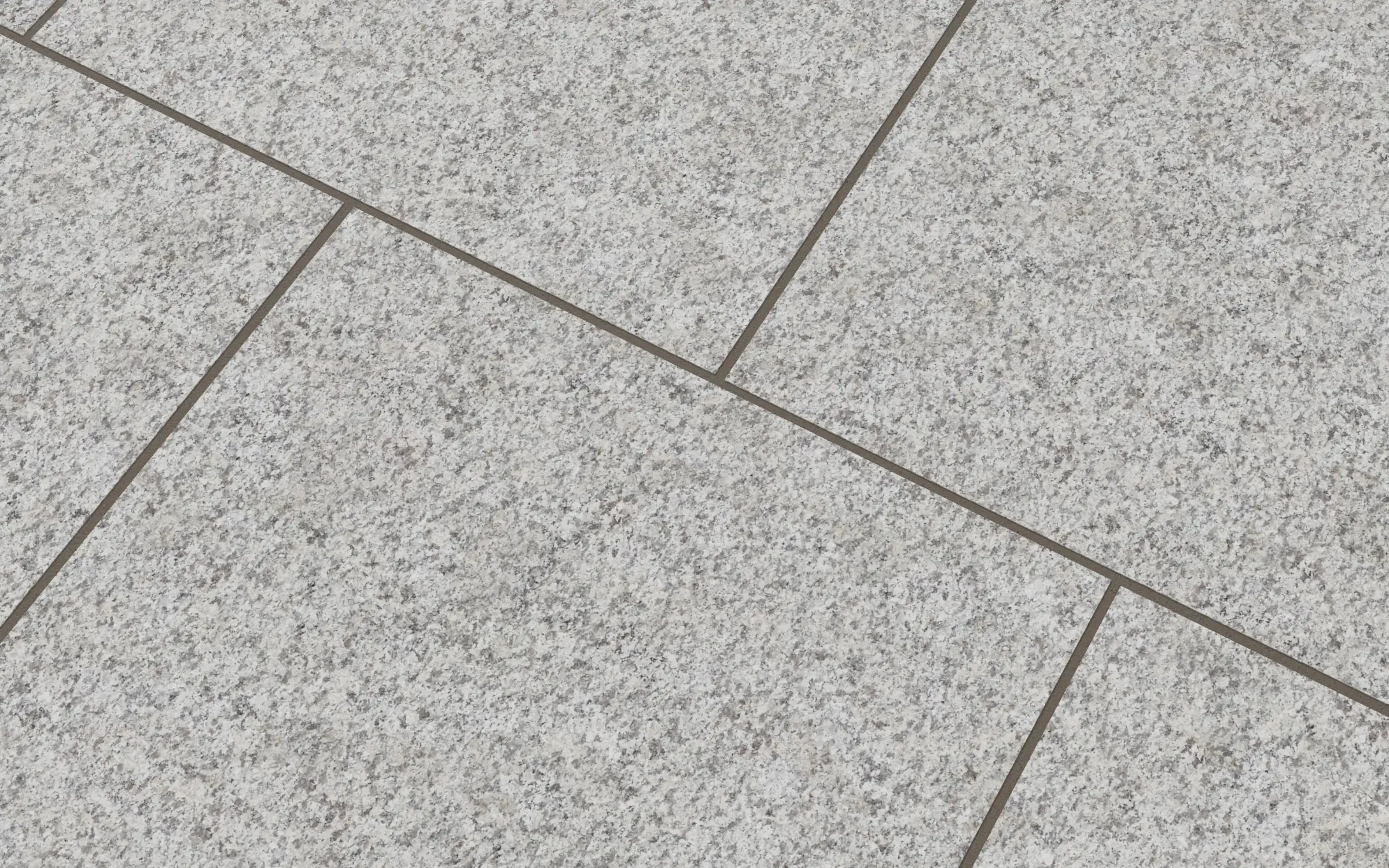
Why has my jointing not cured properly?
Curing times vary depending on the jointing product used within your project, as each product has its own chemical composition and performance characteristics. The exact cause of any curing-related issues can differ but may be attributed to one or more of the following factors.
- The jointing may not have had sufficient time to cure. Check the installation guidelines and allow the recommended curing time to elapse before raising concerns
- There may be trapped moisture preventing the jointing from drying properly. This is usually related to poor drainage or other environmental factors.
- A key installation recommendation may have been overlooked. Please refer to the installation guidelines to ensure all requirements have been followed.
- The joint width or depth may be insufficient. Our WP365 jointing product for example requires a minimum joint depth of 20mm and a minimum joint width of 5mm.
- Excessive water used during installation, or water sat in the joints prior to installation, can lead to oversaturation and may affect the strength and performance of the product.
- Excessive flooding of the joints before the product has cured (where not required by the installation method) or extreme weather conditions around the time of installation may adversely affect the final result.
Most resin and premixed jointing products will have expiry dates and if the product has surpassed its shelf life, it may not perform as expected. If you suspect that this is the case, you will need the original packaging before contacting Group Technical Services.
Need help taking the right photos?
Did this help?
Cracked jointing
Jointing material can occasionally crack after installation, most commonly as a result of natural ground movement.
Thermal expansion
Weather cycles can cause materials to expand and contract over time, including those within the sub-base. This repeated cycle of movement places stress on the jointing material, which can eventually lead to cracking or joint failure.
Natural fluctuations in groundwater levels can also contribute to ground movement, particularly in areas with clay-based soils, which are more susceptible to expansion and shrinkage as moisture levels change.
Thermal expansion-related issues are especially common in areas exposed to extreme weather conditions, which can increase the movement of surrounding materials.
Inadequate installation methods
Cracking and joint failure can result from poor installation practices. An unevenly settled or insufficiently compacted sub-base can create movement as the area is trafficked.
Similarly, flags that are not fully supported on a mortar bed, or where a suitable bonding primer has not been used, may move under load. This movement can lead to cracking of the jointing material and premature joint failure.
Insufficient drainage
Poor or insufficient drainage can contribute to ground movement over time. Surface water that is not effectively removed may penetrate the paving structure and compromise the structural integrity of the installation.
Providing the correct surface falls and a suitable drainage system is essential to directing water away from the area, helping to maintain the integrity of the laying course and reduce the risk of movement and joint failure.
Need help taking the right photos?
Did this help?
Efflorescence guide
Efflorescence can be concerning if you have not encountered it before. It typically appears as a white, powdery or patchy residue on the surface of concrete, or as an overall lightening of colour that may be mistaken for fading. While its appearance can be unexpected, efflorescence is a natural, temporary process that can occur in all man-made concrete products.
What is efflorescence?
Efflorescence occurs during the curing process, when a chemical reaction produces calcium hydroxide. This can move to the surface of the material, where it reacts with carbon dioxide, creating calcium carbonate, which appears as a white deposit on the surface.
Manufacturers take all reasonable steps during production to minimise the likelihood of efflorescence. However, due to environmental factors, it cannot be completely prevented. For this reason, efflorescence is recognised as an industry-wide occurrence, rather than a defect in the product.
Does efflorescence affect performance?
No. Efflorescence is purely a surface-level, cosmetic condition and has no impact on the strength, durability, or long-term performance of your paving or concrete product.
What can be done?
In most cases, natural weathering is sufficient to gradually remove efflorescence over time. Rainfall and general exposure to the elements will typically erode the residue, and an initial period of weathering should always be allowed.
If efflorescence remains clearly visible after approximately three to four months, a suitable concrete cleaning treatment may be needed. Any cleaning should be carried out carefully, using products specifically designed for concrete surfaces and strictly following the manufacturer’s instructions. Light agitation may assist in removing the residue, but aggressive cleaning methods should be avoided.
Need help taking the right photos?
Did this help?