



Blog
Planning a new garden for 2027? This is what you need to do now

Go to Marshalls or explore Close
Looking for something different? View Commercial Landscaping Products

Blog
Did your garden disappoint this summer? If a new garden is on your wish list for 2027, you might think you have plenty of time to start planning.
But if you want to be sitting outside enjoying your new space when next year’s summer arrives, now is actually one of the best times to get started.
A successful garden transformation involves more decisions than you might expect. How you want to use the space. The style you're trying to create. The paving, planting, levels, drainage – and one of the most critical questions – budget. And, of course, finding the right landscaper to bring everything together.
Starting those conversations now means you can make considered decisions rather than rushed ones – and give yourself the best possible chance of creating a garden you'll love for years to come.
So, if 2027 is going to be the year you finally transform your outdoor space, our garden expert and Product Portfolio Lead Nicole Bennett, shares these top tips.
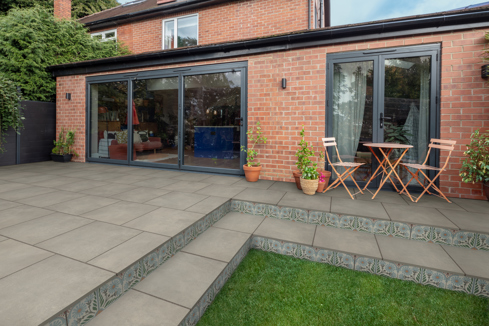
Before you start looking at paving colours or saving garden inspiration, think about what you actually want from your outdoor space.
Do you want somewhere for long summer lunches? A patio big enough for entertaining? A quiet spot for a morning coffee? More room for children to play? Better access between the house and garden? Or simply somewhere that feels smarter and more enjoyable to spend time?
Make a list of what's important to you and, if you share your home with other people, get their input too.
Think about the things that frustrate you about your current garden as well as what you'd love your new one to include.
The aim isn't to have a finished design at this stage. It's to understand what you want your new garden to do for you.
It's easy to focus immediately on the patio, but the best outdoor spaces tend to work because everything feels connected.
Think about the journey from your home into the garden and between different areas outside.
Where does the sun fall at different times of day? Where would you naturally sit? Do you need paths to connect different areas? Could you create separate zones for dining, relaxing, cooking or playing? Are there views you'd like to make more of – or things you'd rather disguise?
Your garden doesn't exist in isolation either.
Look at your home's brickwork, render, windows, doors and existing exterior materials. Choosing colours and finishes that complement the property can help your finished garden feel much more considered.
Pinterest, Instagram, magazines and garden projects online are brilliant places to start exploring what you like.
Save anything that catches your eye, whether that's a paving colour, planting scheme, layout, garden furniture or a complete project.
After a while, you'll probably start to notice patterns.
Perhaps you're repeatedly drawn to contemporary grey paving and structured planting. Maybe you prefer warmer, more natural tones. Or perhaps it's traditional gardens with softer edges that keep catching your attention.
Use that inspiration to define your style rather than trying to recreate another garden exactly.
Your home, garden, budget and the way you use your outdoor space are unique. Your finished design should be too.
It's worth thinking about budget early because it will influence many of the decisions that follow.
And remember that your budget isn't simply paying for the paving you can see.
Excavation, ground preparation, drainage, sub-base materials, labour, installation and waste removal all form part of a professionally installed patio. That's why the groundwork and quality of installation matter just as much as the product you eventually choose.
Rather than asking, "How much paving can I afford?", think about what you're comfortable investing in the whole project.
A good landscaper can then help you understand where to spend your budget to achieve the result you want.
This is the exciting bit.
Your paving might cover a significant area of the finished garden, so it has a big influence on the overall look and feel of the space.
Start by narrowing down what appeals to you.
Do you prefer a natural stone look or something more contemporary? Light or dark colours? Warm or cool tones? Large-format paving or something more traditional?
You don't necessarily need to choose the most expensive option to create a premium-looking garden either. A coherent design, carefully chosen colours and good installation can make an enormous difference to the finished result.
Once you've started narrowing down your choices, however, there's one important step you shouldn't skip.
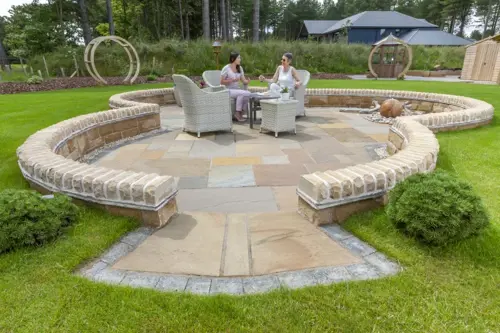
A photograph on a screen can give you inspiration.
A sample lets you see how the paving could actually look at your home.
Colours can appear different depending on the light, the weather and the materials around them. Something that looks perfect online may feel warmer, cooler, lighter or darker when you see it next to your brickwork, doors, fencing or existing landscaping.
That's why ordering samples early is such a useful part of planning your garden.
Put them outside rather than judging them on the kitchen table. Look at them in daylight. See them when the paving is wet as well as dry – this is Britain after all. Move them around the garden. Compare them against your house. Look at them in the morning and later in the day.
And don't feel you have to decide immediately.
Living with a few options for a little while can make it much easier to work out which one feels right.
Some of the most important decisions about a garden aren't the ones you'll notice when it's finished.
Ground conditions, existing levels, access, drainage, slopes and the relationship between the patio and your property can all influence how a project needs to be designed and installed.
Every garden is different, so there isn't one standard solution that works everywhere.
This is another reason why early planning helps. Potential challenges can be identified before you've committed to a particular design, rather than becoming an expensive surprise once work begins.
You don't need a completely finished design before speaking to a professional landscaper.
In fact, involving someone early can be extremely useful.
A good landscaper should want to understand what you're trying to achieve, how you'll use the space, your preferred style and your budget. They should also be able to identify practical considerations you might not have thought about and help you understand what's realistic.
Take time to look at previous projects, check reviews and speak to more than one landscaper.
And don't automatically choose the cheapest quote. Experience, workmanship, communication, preparation and installation all have a major impact on the finished project and how well it performs over time.
Choosing a Marshalls Accredited Installer can provide an additional level of reassurance that you're putting your project in experienced hands.
It might feel early to be thinking about next summer, but the best garden projects don't begin when the first warm weekend arrives.
They begin with ideas and thorough planning. So start looking and saving your ideas.
And most importantly, start getting a feel for the materials that could bring your garden to life.
Written By

Nicole Bennett is Product Portfolio Lead (Landscaping) at Marshalls, where she leads the strategic development of the company’s landscaping product portfolio across both Commercial and Domestic markets.
Order your free Marshalls Landscaping paving samples today and take the first step towards creating an outdoor space you'll love.

