



Blog
The most common patio mistakes and how to avoid costly fixes later

Go to Marshalls or explore Close
Looking for something different? View Commercial Landscaping Products

Blog
For many homeowners, upgrading the garden is something to look forward to. It’s an opportunity to create a space for relaxing, entertaining or simply spending more time outdoors, with a new patio often forming the centrepiece of the design.
While the finished result may look simple, getting there requires careful planning. Some of the most common patio mistakes have little to do with the materials chosen and more to do with how the project is carried out.
It’s natural to focus on how a patio will look. However, the long-term success of any installation depends just as much on what sits beneath the surface. Even high-quality paving can develop issues over time if it is not installed correctly.
Common problems include:
These issues are not just cosmetic. If left unresolved, they can lead to repairs that are more costly than the original installation.
A well-installed patio should be built to last, feel stable and incorporate the correct falls.
The installation stage is where many long-term problems can either be prevented or introduced. While it may not always be visible once the project is complete, it plays a critical role in how the patio performs over time.
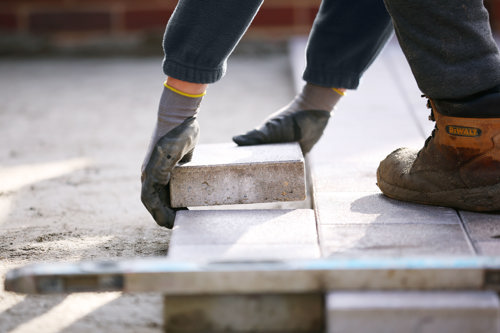
One of the most common mistakes homeowners make is trying to reduce costs during installation. A lower quote can appear attractive at first, but it may involve compromises in areas that are not immediately obvious. These can include:
Over time, these compromises can affect the durability of the patio, leading to movement, damage or the need for replacement sooner than expected.
The lifespan of a patio is influenced by a combination of material quality and installation expertise. While choosing the right paving is important, it is the way it is installed that often determines how well it performs. A properly constructed patio, built on a solid foundation with appropriate drainage and regular maintenance will remain in good condition for many years.
With outdoor spaces playing a more important role in everyday living, many homeowners are choosing to take a longer-term view when planning improvements.
Focusing on quality installation and well-considered design can help avoid unnecessary disruption and expense in the future, while ensuring the finished space continues to perform as intended.
Written By

Neil Whitelock is a highly respected landscaping professional with more than 20 years’ industry experience, combining practical expertise, education, and a passion for developing the next generation of landscapers.

Our Marshalls Accredited Members are regularly assessed to ensure they keep to the Marshalls standard, so you can be confident that your outdoor project will stand the test of time.